
Diptych
Meandering slowly through the Royal Museum of Fine Arts in Brussels, Belgium I heard a screech from the doorway of the next room. My 8 year old was a few steps ahead of me. "Mama!" he yelled "You have to get in here and see this! These paintings are like two or three paintings put together to make one painting! It's so cool!" The frowns of the other patrons at his loud voice quickly turned to smiles as they registered his words and the enthusiasm and excitement behind his breech of etiquette. I quietly explained the concept of a diptych and triptych, and had the fun of watching him explain the concept to his friends at the National Gallery in DC once we returned home. But his enthusiasm over imaged displayed in pairs reminded me of how much I love the format: creating a single image out of multiple frames.
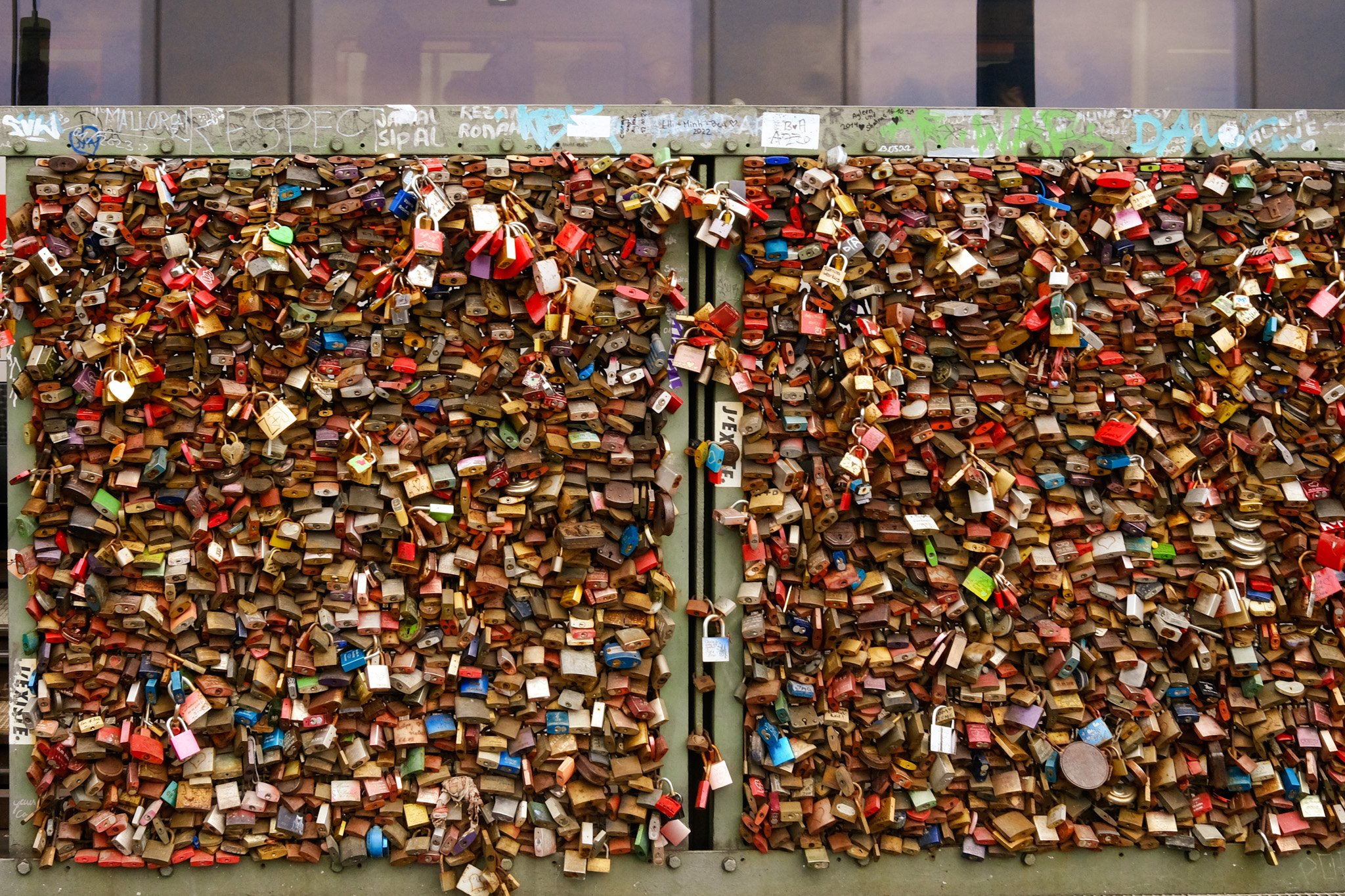
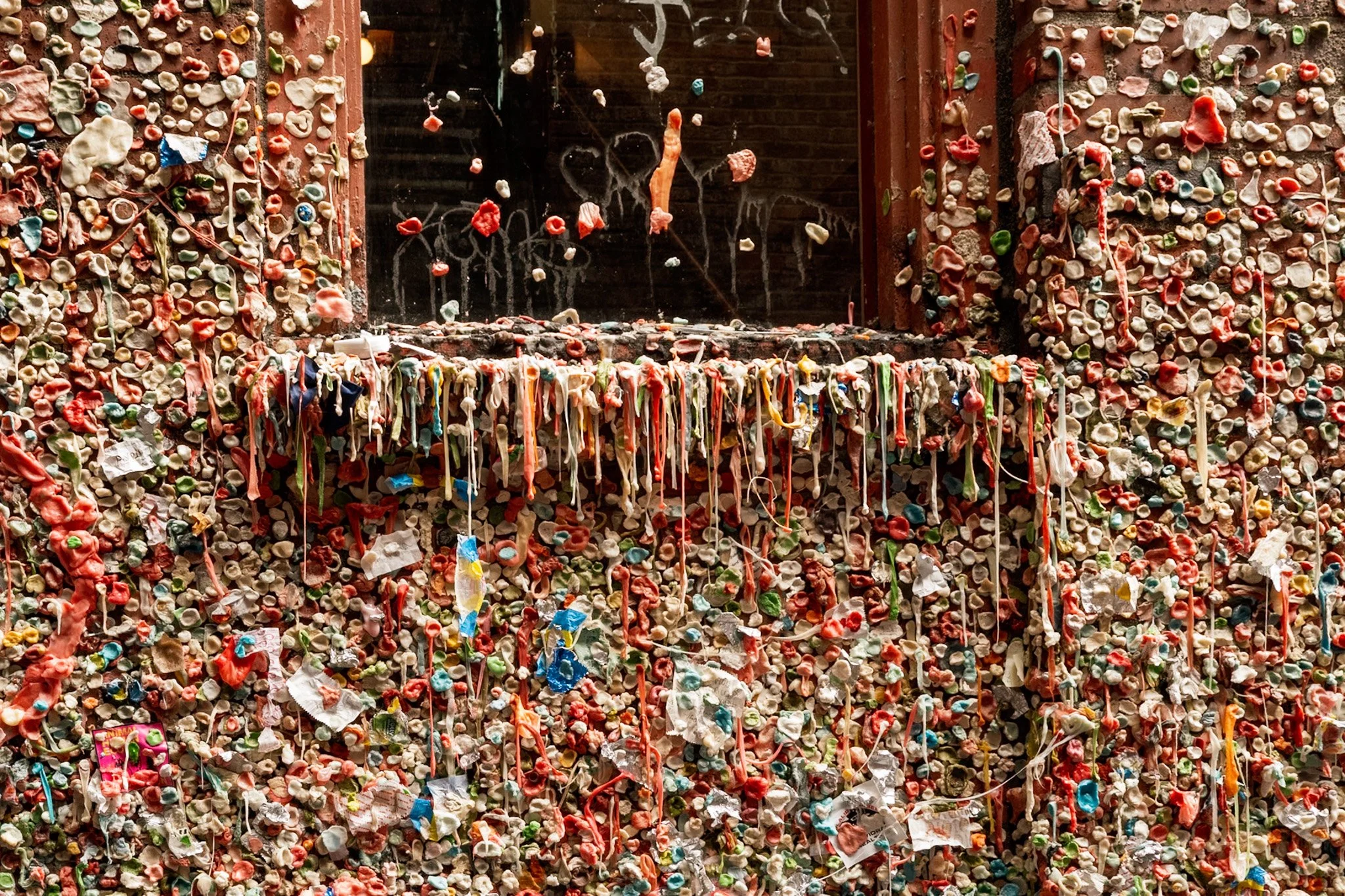
Diptychs offer a chance to move from the poetic power of a single image towards the narrative form that multiple images can offer. And as compared to a longer series or sequence a diptych forces you to focus the narrative and distill a story to the essentials.
Pairs of images present the opportunity to shift the meaning in an image, and encourage the viewer to look at the image differently. A single image of the bridge in Cologne, Germany is about the "love locks" but when paired with an image of the gum wall in Seattle the meaning shifts from romantic gesture to the ways people mark their presence and the things they leave behind. (I also need to credit my 13 year old with this pairing, he's the one who made the connection between the two, when he commented that "It's kind of sad that Cologne gets locks and all Seattle gets is used gum.")
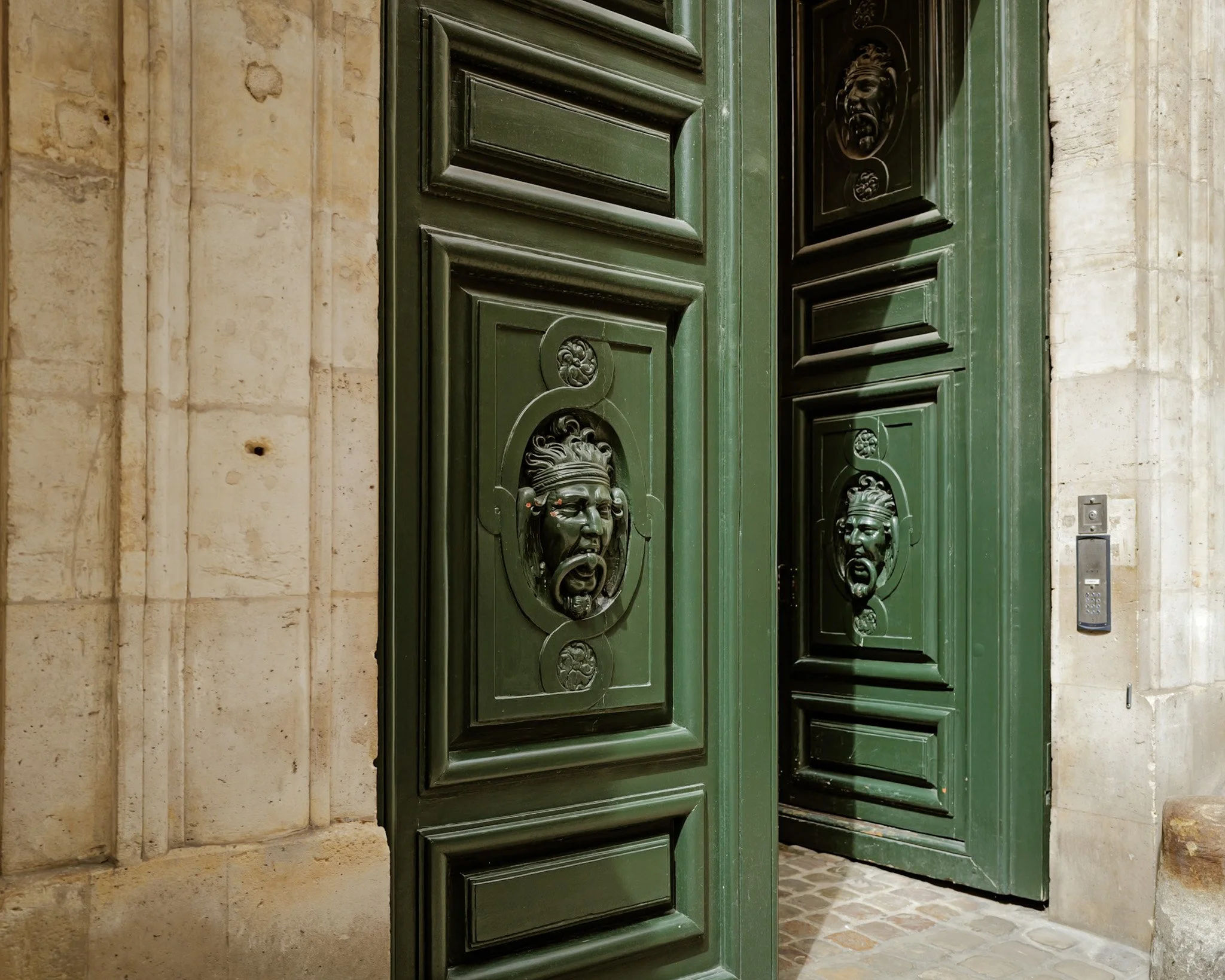
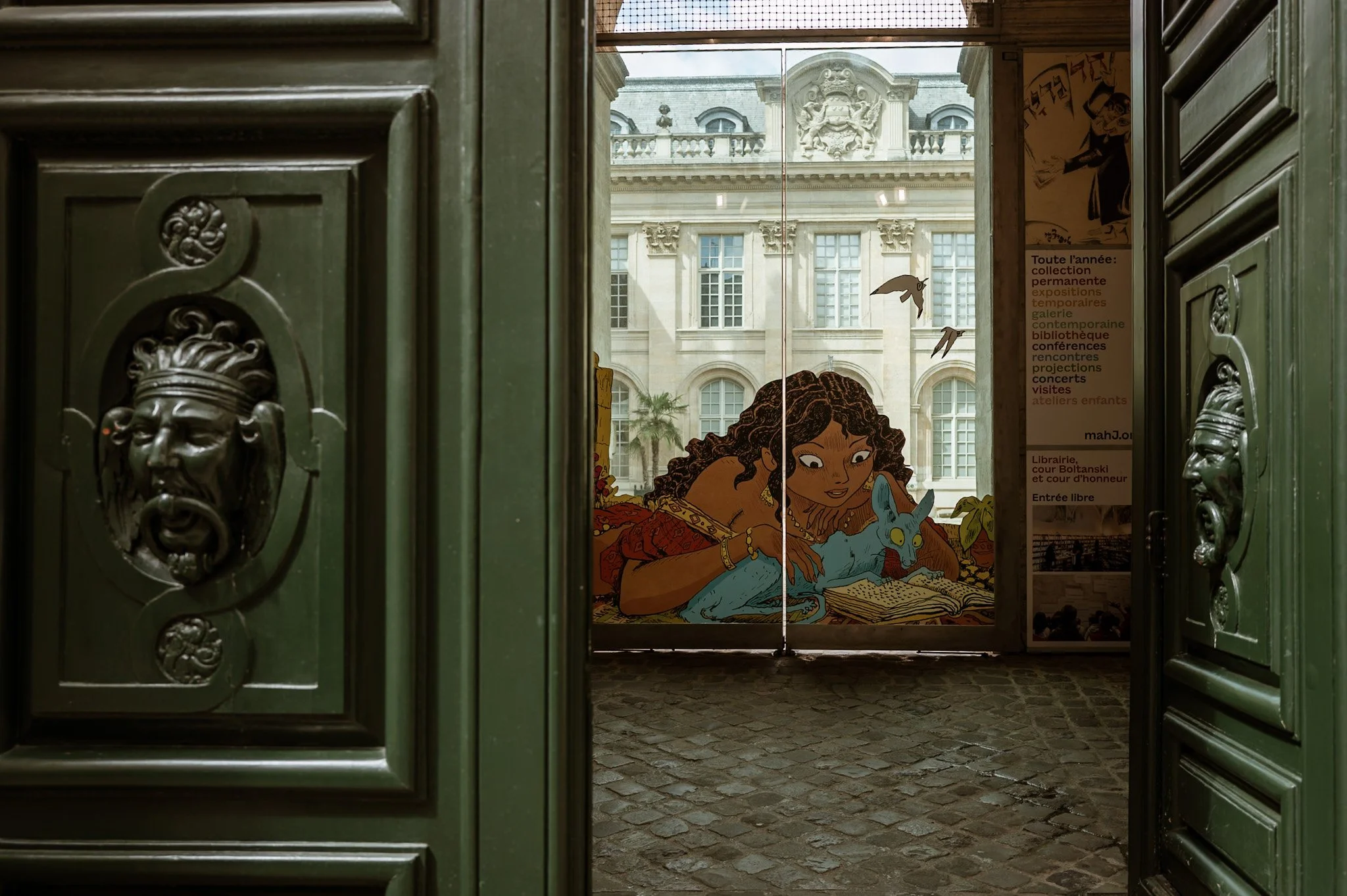
Diptychs create a conversation between images in a way that a stand-alone image cannot. Sometimes the images echo each other, sometimes they contradict. Sometimes they serve as question and answer (what is behind the green doors for example) and sometimes they leave the viewer to search for the meaning that exists somewhere in the overlap or the space between the two images. Either way, diptychs will challenge you to look at your own work differently. When you are searching for the connections between images you are looking at images for their potential, not their finished state. I'm not generally one to shoot for diptychs (although it is a good challenge and I should try it more often) but I love the challenge it presents as a new way of viewing my existing body of work. Images I thought were finished, that I thought said everything they needed to say, become fresh again (and often change topics) when part of a pairing. And when I find a combination that works, I, like my son, sometimes forget my museum voice and want to shout with excitement as well. Pairs of images tend to have that power.
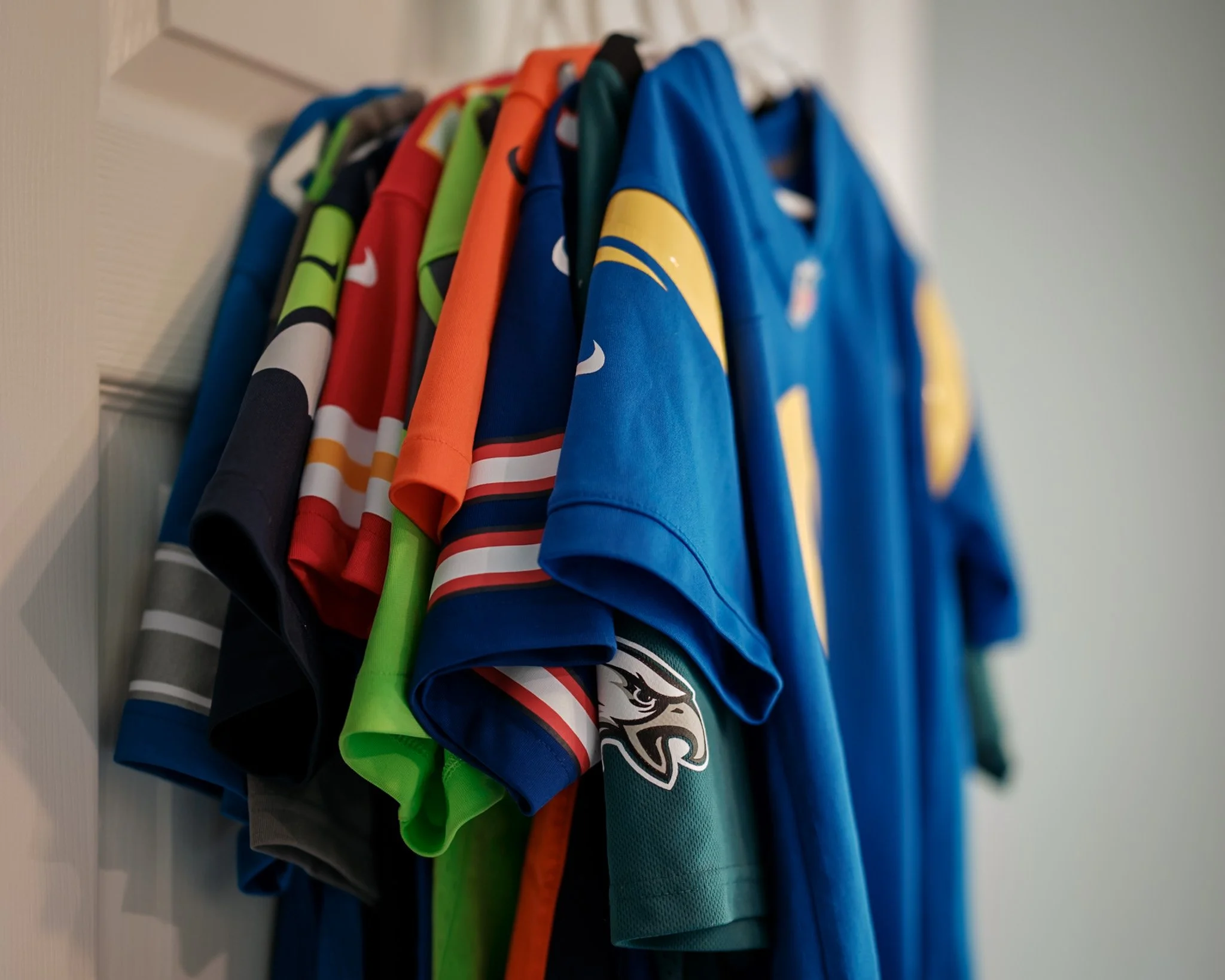

(Football jerseys drying. Suitcases loaded for a trip. Sometimes the visual connections are enough to make a diptych work, although in this case pairing changes the meaning of the images from the literal snapshots of moments to the connection between the suitcases and their contents)