
On Purpose
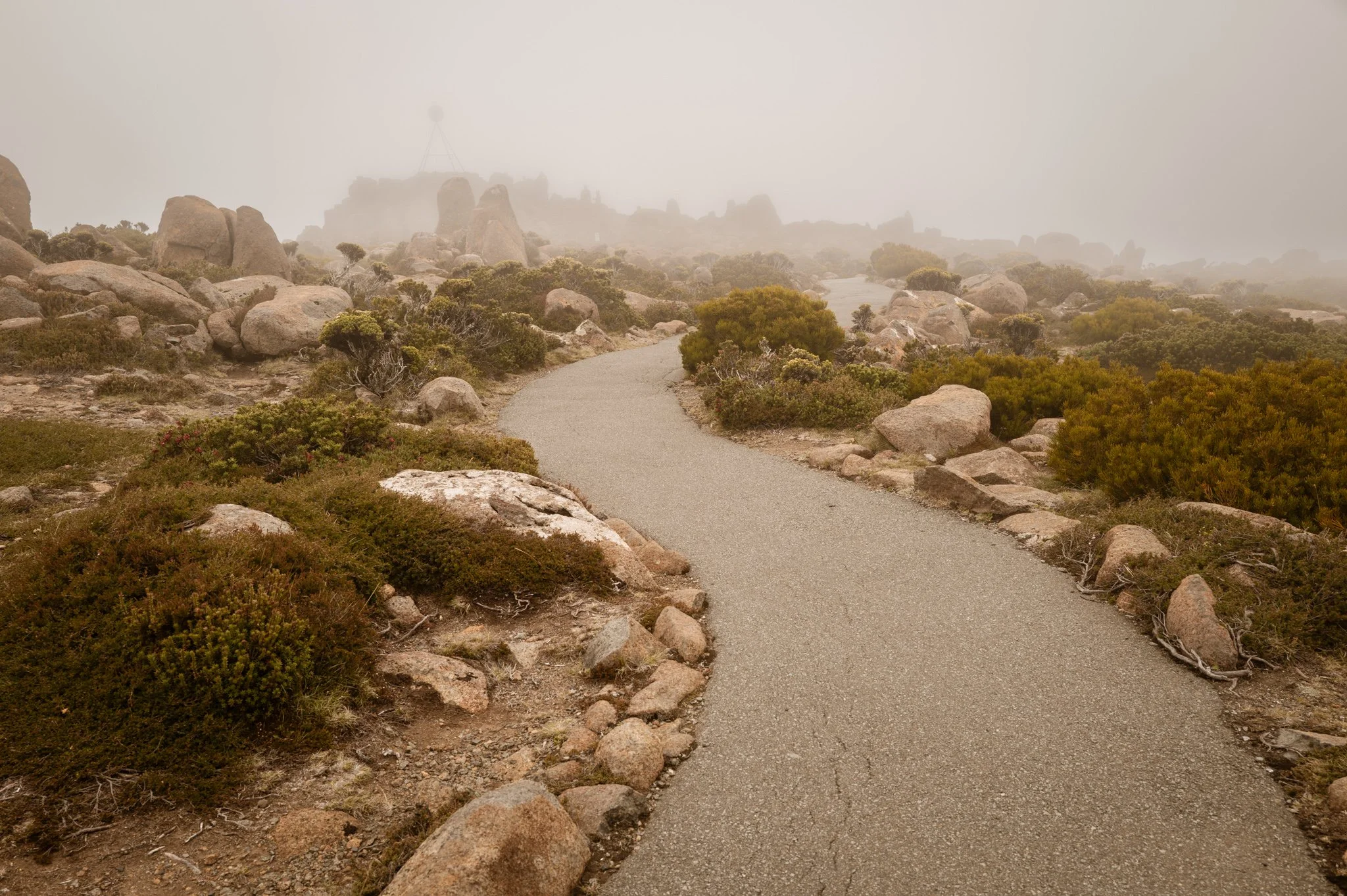
The other day I heard a well-known photographer say that the goal of photography is to create images that make viewers stop and go "Wow!" I understood what he meant (the photograph that prompted the comment probably deserved the critique), but the more I thought about it the more it bothered me. Isn't there more to photography than impressing the viewer?
I was reading a book by Stephen Shore (Modern Instances) and he referenced a photograph that Gary Winogrand took at the New York World's Fair in 1964 . When I say a photograph of the world's fair, one might conjure up an image of a vast fairgrounds, something sweeping and iconic, and if you know enough about that particular world's fair then the image in your head probably contains the Unisphere at the US pavilion. Yet Winograd's photo contains none of the above. It is a photo of 8 people on a bench, sitting, talking, living, existing. Clearly a scene he came across while wondering the fairgrounds. There is no "wow factor" to this image. Yet if you take the time to look at it (without scrolling past, something more and more difficult to expect in the attention economy world we live in) there is something about this image worth spending time with.
Stephen Shore describes the image like this: I never get tired of looking at Winograd's World's Fair photograph. The scene amazes me. Look at the eight people: their expressions, their gestures, their postures. The girl crumpled over, her friend consolingly holding her head while she, in turn, listens to her other friend's whispers, their batchmates oblivious to this drama. The woman to the trio's right- look at how she holds herself: the twist of her body, her legs intertwined. The light accentuates the folds in her dress…. (21). And then he continues for another page and a half describing this image, and he's not wrong. Winograd says in one image what it takes Shore almost two pages to capture.
This image documents a period in time- the clothes, the hairstyles, the man reading the newspaper, all place this clearly in the past- you couldn't mistake this for an image taken today, despite the fact that the people aren't doing anything in particular to place them in time. And yet…the connection between the figures, the relationships and interactions are all too familiar. (I really feel the need to add, although I risk getting away from the actual point here, that the song Timeless by Taylor Swift is now running through my head and it sums up this dichotomy more eloquently than I am). This is not an image I would describe as a "wow" image. This image was not taken with the purpose of impressing the viewer. In fact, the viewer has to work for it. It's not an image that stops on in their tracks, the viewer must be willing to spend time with the image to appreciate it fully. But Winograd wasn't trying to impress anyone when he took it.
Does an image have to stop the viewer in their tracks to be good? To be important? This is somewhat related to the essay I wrote on trophy images. Both of these topics get at the heart of what makes an image important, and I would argue that in a society built on "likes" it’s easy to confuse impressive and important. Walk through any tourist town and you'll pass gallery after gallery of photographs. Bright, usually oversaturated, often HDR, generally printed on metal. These galleries are designed to stop visitors in their tracks, they scream "wow" but the interesting thing is, if the town is big enough to have more than one of these galleries, the images generally all look alike. They will be indistinguishable from one end of the street to the other. They are technically impressive, and attention getting - but are they important?
Ansel Adams once said: "There's nothing worse than a sharp image of a fuzzy concept." Adams is an interesting addition to this conversation because he absolutely created images designed to stop the viewer in their tracks. Yet, while it was part of their design it wasn't his purpose. His goal was not to create impressive images, his goal was conservation; to convince the viewer that these majestic landscapes were worth protecting. Impressing the viewer was the means by which his photographs achieved their true purpose. But they had depth, and purpose outside of just being impressive.
British photographer Paul Sanders creates images that stopped me in my tracks the first time I saw them. His quiet, peaceful long exposure landscapes literally made me gasp out loud when I first came across them. Yet his images are quiet, peaceful, extremely…still. And they aren't going to impress everyone. But Paul's goal wasn't to impress anyone. It was to recover balance and peace in his own life after a difficult struggle with mental health. But again, the images have a depth, they beg you to spend time with them- and no one is ever going to look at one and think it was designed to impress the viewer, or even for the viewer at all- it is clear that these images were taken for the photographer and anyone willing to settle down and experience their quiet can share in their stillness with the photographer.
There are a million and one reasons people take photographs. But when you look at your own work, no matter how stunning it is, if the best reason you can give for why you took that image is "to impress the viewer. To make them say Wow" then I worry that the images are going to fall flat, even if they serve that purpose. Find greater meaning, tell stories, document the world whether you take pictures for yourself (like Sanders) or to propel the viewer to action (like Adams) or to document both the fleeting and the timeless (like Winograd). Seek out a purpose greater than impressing your friends and family and most likely, that will happen anyway.